Opinion

Random entry RSS

  • Posted in:

    A bit above average

    By Niall Crowley A score of 100 would have been perfect, according to the European Institute for Gender Equality (EIGE). However, when it comes to plaudits for gender equality, we know to keep our expectations in check. Ireland scored 56.5 and ranked eight in Europe. Who would have predicted that result? Before we get too carried away, we should remember this puts us just beyond the halfway mark towards gender equality. Inevitably, Sweden ranked first with a score of 74.2. Still, we compare better with the average score for the European Union – 52.9. These are the headlines from the just published Gender Equality Index of EIGE. The Index measures progress on gender equality in the European Union. It is a composite indicator that is based on gender-equality data in the six different fields of: work, money, knowledge, time, power and health. Overall the Index shows visible but marginal improvements in gender equality as the EU overall score rose from 51.3 in 2005 to 52.4 in 2010 to 52.9 in 2012. The area of work looks at data for employment of men and women, gender segregation in the labour market and quality of work. Ireland’s gender-equality score rose from 56.4 in 2005 to 66.5 in 2010, but then dropped to 65.8 in 2012. The EU average was lower at 61.9. The Gender Equality Index in each of the six fields covered is based on the gender gaps in each country between the position of women and the position of men in the given field. It is also based on the overall level of achievement in the position of men and of women in this field. This combination of indicators is an attempt to control for the impact of austerity on gender gaps. Austerity, has reduced gender gaps by diminishing the position of both men and women. This creates a false equality of hardship. The focus on level of achievement can, to some extent, help to correct for this. In Ireland the employment rate for women (aged 20 to 64) rose from 59.4% in 2012 to 60.3% in 2013 to 61.2% in 2014. The employment rate of men (aged 20 to 64) rose from 68.1% in 2012 to 70.9% in 2013 to 73% in 2014. The gender employment gap opened up from 8.7p.p. in 2012 to 10.6p.p. in 2013 to 11.8p.p. in 2014. Gender inequality reasserts itself as economic recovery begins. Ireland scores particularly badly for power. The area of power looks at gender balance in politics and business. Ireland scored a low 31.4 in 2012. This compares unfavourably to an EU average of 39.7 and reflects significant gender inequality in local and national politics and in Irish boardrooms. This poor situation still reflects an improvement for Ireland from a score of 19.4 in 2005 and 27 in 2010, so at least we are going in the right direction. All of Europe reflects increasing inequality when it comes to time. The area of time looks at time use by men and women in work, caring and social activities. The European Union average score for gender equality in this area in 2012 was 37.6, down from 41.5 in 2005. Ireland did better at 52 in 2012, but also recorded significant disimprovement from 65.5 in 2005. The detailed data provided for Ireland is stark. In 2012, 30.6% of men workers spent more than one hour every day in caring work compared to 44.4% of women workers. In the same year, 38% of men workers spent more than one hour every day in cooking and housework compared to 77.1% of women workers. When it came to money Ireland scored a surprising 79. This was still down from a score of 80.3 in 2010 but up from 71 in 2005. This is unexpected because the gender pay gap in Ireland in 2012 was a significant 14.4%. The European Union average scores were 64.1 in 2005, 67 in 2010 and 67.8 in 2012. This area covers earnings and poverty levels. It is important to celebrate the progress and achievement implicit in these figures but they should not cloud out the significant distance still to be travelled to secure gender equality, or even Nordic levels of gender equality. The EIGE figures show an interesting association between gender equality levels and social protection expenditure and the level of childcare services available. This might offer pointers to achieve further improvement. The data also shows the need to concentrate attention on improving gender balance in both politics and business and in sharing of caring and housework as priorities. The data also tell us to beware of an economic recovery we are pursuing in a manner that deepens inequality rather than arrests it. •

    Loading

    Read more

  • Posted in:

    Maternity demands modernity

    By Ivana Bacik Public debate on maternity care is currently focused on the tragic deaths of babies in certain hospitals like Portlaoise, and inadequacies in care provision that may have contributed to those awful outcomes. However, any assessment of the legal framework for maternity services in Ireland more generally would indicate the need for a much wider change agenda if women are to have real choices in childbirth. A major review of services available to pregnant women and their babies is required. This must take into account the preferences of women regarding place and type of birth, including both home births and hospital births. The key considerations must be to provide women with a safe service and to ensure choice in this key life event. Ultimately, any such review should lead to an effective set of’ ‘pregnancy pathways’ for women in Ireland. Maternity care in Ireland is a consultant-led, hospital-based service. This is legislated for in the Health Act 1953. There has been no review of this model since that time. The current position differs dramatically from the routine practice at the beginning of the twentieth century, when most midwifery throughout Ireland was practised in the community. Nowadays, with the exception of a small number of midwifery-led units, maternity care in Ireland is generally provided in hospitals. There have been particular legal implications arising from the sidelining of midwifery in the maternity care system. In particular, women’s choices in childbirth have been curtailed within the medical setting. The option of homebirth has become effectively inaccessible for many, as the recent case of the midwife Philomena Canning has shown. Maternity care practices are unduly dependent on a medicalised model of childbirth. Yet this medicalised model has not necessarily brought about safer outcomes for women or babies. The Association for Improvements in Maternity Services (AIMS) has called for a review of maternity services generally. When viewed in an historical context, it appears that cultural attitudes, and, in particular, religious ethical codes, have influenced the development of maternal healthcare and have restricted women’s choices. Healthcare in Ireland has traditionally been controlled by the Catholic Church and the Church’s influence on health services still persists. The lack of discernible national direction from the Irish healthcare system until recent years may be a legacy of the handing over of control for hospitals to a number of religious orders, all of which brought different management styles to bear. What many of these have in common was the Catholic ethical code. This in turn influenced, and limited, the types of services made available to patients. Ethics committees still operate in many hospitals, and many still refer to an underlying Catholic doctrine informing their policy. Religious influence is also highly visible in a more practical way. Many hospitals continue to use religious iconography throughout their premises, including maternity wards with crucifixes, statues, and wards named in honour of individual saints. Apart from the enduring visibility of religious imagery in maternity hospitals, many more serious historical examples exist of the adverse influence of religious doctrine on maternity care in Ireland. These include the barbaric practice of symphysiotomy, carried out in some Irish maternity hospitals right into the 1980s for so-called ethical reasons. Performed during childbirth, it involved sawing through the pelvis. Many of the women upon whom it was performed have suffered life-long physical and psychological effects as a result. How this barbaric practice could have persisted so late, when caesarean section offered a better alternative for women, is a question that remains unanswered. Well before the extent of this barbaric practice came to light, revelations had emerged about unjustified numbers of peripartum hysterectomies performed upon women in the Lourdes Hospital, Drogheda. Over a 25-year period, obstetrician Michael Neary had continued practising unnecessary surgery upon vulnerable women, until finally the practices were exposed by a whistleblower. The ‘Catholic ethos’” dominant within the hospital was one of the factors alluded to critically in the 2006 report of Judge Maureen Harding Clark into the Neary case. These are not the only examples of problematic practices in Ireland around childbirth and maternity. The history of the incarceration of young women and children in religious-run Magdalen laundries, and other institutions, has now been well-documented. Reports of disturbingly high infant mortality rates in the “Mother and Baby homes” have led to the establishment of a commission of investigation chaired by Judge Yvonne Murphy. Once completed, its report may reveal further detail about these problematic practices and our shameful past. •

    Loading

    Read more

  • Posted in:

    Burnt dreams on Poolbeg

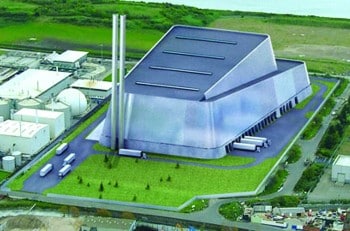
    By John Gormley The i-word wasn’t mentioned once in the official announcement about the Unesco designation of Dublin bay. In fact, the City Council officials managed to studiously avoid any reference to the incinerator. The omission is understandable, I suppose, because the incinerator on the Poolbeg peninsula is not compatible with the lofty desire to protect the natural heritage of the bay. It’s a blot on the landscape even as it’s being constructed, and when it’s complete it will be bigger and higher than Croke Park. For the next quarter of a century – the usual lifetime of a municipal incinerator – it will stand as a monument to stupidity, bureaucratic intransigence and the lack of local democracy. The authorities have now conceded that this is a national incinerator, as it will have to take waste from all over the country to feed the 600,000 tonne monster. This was a central point of the opponents of the incinerator, led by CRAI (Combined Residents Against Incineration). As Minister for the Environment, I made my opposition to mass burn incineration very clear. I succeeded in stopping the incinerator through the introduction of incineration levies. Covanta, the US multinational behind the project, stated at the time that they would not operate plant if incineration levies were in place. They lobbied my successor, Phil Hogan, while he was in opposition and he obliged them by abandoning the levy scheme when he became Minister. When I got wind of the meeting between Covanta and Big Phil, I mentioned it in a press release. Phil sent me a solicitor’s letter which I promptly dropped into the recycling bin. By this stage, he had also initiated proceedings against me with SIPOC, alleging that I had abused my position as Minister by delaying the issuing of a foreshore licence for the plant. SIPOC found, having spent a year and half, going through the relevant files, that I had no case to answer. In fact, the plant did not require a foreshore licence and it was no coincidence that Dublin City council withdrew their licence application the day after I resigned as Minister. None of this got much coverage in the mainstream media, unlike the blanket coverage given to the granting of planning permission and the EPA licence both of which had nothing to do with me. It’s no wonder then that people were confused, some of them thinking that I had given the plant planning permission, while others believed I was behaving in an illegal and underhand way to stop the incinerator. Few journalists have explained clearly the background to this project, the exceptions being Victoria White in the Examiner, Nick Webb and Shane Ross in their book ‘The Untouchables’, and of course James Nix in Village magazine. RTE’s ‘Primetime’ too deserves credit for exposing the significant investment from the National Pensions Reserve Fund and AIB. This means that the incinerator is in fact a government sponsored project. In a normal democracy if a project of this size had serious and inexplicable cost overruns there would be an independent inquiry. Not so here. The more cynical of you might wonder if there’s any point to such an inquiry, given that inquiries and tribunals in the past never resulted in consequences for those found culpable of wrongdoing or incompetence. A fair point, perhaps. But it’s always good to get the truth and to learn from the mistakes made. An inquiry would reveal how the Dublin City Council ignored the Minister’s request not to sign the contract with Covanta, then refused to give the Minister a copy of the contract until the Attorney General intervened; it would prove, as stated clearly in the Hennessy Report, that DCC could not have been sued for breach of contact. Most importantly, from an environmental point of view, an inquiry would show that Ireland could comfortably meet its recycling targets without this giant incinerator. The evidence from Scandinavia is that large volumes of recyclables are being diverted to municipal incinerators, which of course increases our Greenhouse gas emissions. By the way, the argument that incinerators reduce Greenhouse gas emissions is only true if organic matter such, as waste food is dumped, in landfills. We ought of course to be banning food waste from landfills. At the very time when waste-management technology is about to be revolutionised, Ireland will once again be behind the curve. Incinerators will be considered antiquated technology in twenty five years time. Unfortunately, when that time comes we’ll still have one of the biggest incinerators in Europe – plonked bang in the middle of a UNESCO heritage site. And it’s that sense of lost opportunity that is the most depressing aspect of this debacle. The Poolbeg Peninsula with its Nature Park, South Wall, classical Pidgeon House, iconic barber pole chimneys and much more should be the jewel in the crown of Dublin Bay and the gateway to the city itself. Now our visionless bureaucrats have consigned it to the slag heap for the next quarter of a century. •

    Loading

    Read more

  • Posted in:

    Greek crisis is EU’s Trojan Horse

    By Constantin Gurdgiev The Greek debt crisis muddles on through its endless cycles of emergency meetings, and of new programmes replacing old programmes, and of new loans repaying old loans, with no end in sight. After a seismic referendum, Europe’s leadership has been busy working on shoring up the structure of the common-currency block. Designed to prevent future crises similar to those experienced since 2008 across Greece, Cyprus, Ireland, Italy, Portugal, Slovenia and Spain, it is a cure that makes the original disease look benign. As of May 2015, the European Project has been officially, if quietly, out of sight of the mainstream media and analysts: launched into a new stage of ‘structural reforms’. This time around, the target is the very system of national democracies that formed the cornerstone of the European Union. To understand this new process, we have to go back to the source of the recent crises: the creation of the common currency. And, to fully map the problem, we have to rely on much more than the internal dynamics of euro area macro-economic divergence since January 1999. For decades, international economics have postulated a basic monetary policy ‘trilemma’: in a world combining free trade and capital mobility, monetary-policy independence is impossible in the presence of fixed exchange rates. In basic terms, this means that once a country opts to open its borders to capital flows, fixing exchange rates automatically requires surrendering control over interest rates. The classical trilemma lies at the core of the current euro-area crises. Introduction of the euro has resulted in effective harmonisation of interest rates across the drastically divergent economic systems that comprise the area. These are the so-called euro area ‘core’ and ‘periphery’; or in more simple terms: faster growing economies in the euro area’s less developed member states and slower growing economies in Austria, Belgium, Finland, France, Germany, and the Netherlands. Convergence of policy and rates under the ECB authority also meant convergence of bond yields for Governments and lending rates to enterprises and households, irrespective of the differences in risks and macroeconomic fundamentals between the member states. What followed was a rapid build up of macroeconomic and financial imbalances between the ‘peripheral’ economies and the euro area’s ‘core’, manifesting itself in sovereign debt and deficit explosion in Greece; asset and property market bubbles in Slovenia, Spain and Ireland; and massive external deficits in Cyprus and Portugal. In Italy’s case, the same imbalances manifested in elevated public deficits 2001-2006 coming on top of high debt levels inherited from the 1990s, and the lack of real reforms made possible by the benign interest rates environment sustained by the ECB. These effects of the euro integration implied by the classical monetary policy trilemma were both predictable and indeed foretold by a number of economists, in the 1990s. They were dismissed by the European leadership as ‘euro scepticism’ and pushed aside in favour of the politically-motivated closer integration implied by the currency union. But the basic monetary policy trilemma was just the beginning of the internal contradictions between the euro and the structure of the EU. Our experience with the Global Financial Crisis has led to the drastic realisation that the financial system, independent of the real economy, can act as a transmission and amplification mechanism for economic shocks. Hence, in recent years, economists came to recognise that yet another trilemma, usually linked to the existence of weak, underdeveloped banking institutions, was also at play within the euro area. Applied to the euro ‘periphery’ the Financial Stability trilemma simply means that once a country opted to retain free capital mobility and fixed exchange rates, it had to be prepared to accept financial instability. It was this trilemma that first led to the emergence of the state guarantees of the banks in a number of the euro area economies, and culminated in banks’ bailouts. Once again, some economists predicted the emergence of this trilemma before the crisis, but they too were ignored by the European integrationists. Informed by the past failings of the euro architecture, however, we are now facing yet another set of contradictions, still linked to the dysfunctional nature of the currency union we inhabit. Behold the geo-political trilemma. This stipulates that once capital mobility is allowed, democratic institutions can survive only if the state gives up its monetary and exchange rate authority. As a reminder, the euro area as a whole remains integrated within global capital markets, while it assigns its collective monetary policy independence to the ECB. Which, of course, means that the democracy thingy is standing in the way. The reason for this contradiction between democracy and monetary policy is that, over time, maintaining orderly capital flows require investment predictability. This, in turn, means either that interest rates have to be linked to global rates or that the political regime has to ensure low variability in macroeconomic policies. Post-war Europe, before the onset of the monetary union, relied on a combination of democratic institutions and monetary-policy autonomy to ensure the balance between macroeconomic performance and the will of electorates. Capital mobility was subsidiary to these twin objectives. Creation of the euro area, however, pushed member states toward balancing capital mobility and democracy, with monetary policy now relegated to a centralised authority. However, this shift represented a major problem, as the ECB found its monetary policy increasingly influenced by global interest rates. Part of the decline in interest rates in the 2000s was based on ECB policies. But part was driven by global capital markets integration. Before 2008, the system balance was sustained because democratic processes were running in an environment of electorates largely satisfied with superficially high growth rates enjoyed both by capital-recipient countries and capital-source countries. Governments had a strong incentive to maintain their policies of not rocking the boat, avoiding painful reforms. Across the euro area, productivity growth fell; competitiveness declined; misallocations of physical, financial and human capital became the norm; and political elites enjoyed electoral support boosted by the steroid of cheap credit. This

    Loading

    Read more

  • Posted in:

    Springing backward

    By Sinéad Pentony Remember the Spring Statement? Mainstream commentary reassured us that it was ‘prudent’, ‘getting the balance right’, providing ‘clarity’, ‘breaking with the policies of the past’ and ‘anchoring expectations in forecasts’. Some just suggested ‘nothing has changed’.  Then silence. It was of course a political exercise but fundamental questions raised by the Spring Statement got little attention. In terms of process the Spring Statement is a welcome development. The macro-economic goals are set out and the detail on how these goals will be achieved is the business of the October budget. Previously, this was done in reverse, with deals then being done with various interest groups, which were added up to become the macro-economic goals. The Government’s “intention to examine the possibility of establishing of an Independent Budget Office” is also welcome. This Office would allow for independent costings of policy proposals from all political parties and Groups in the Oireachtas. The Office of Budget Responsibility in the UK and the Parliamentary Budget Officer in Canada are both good examples of how such an office can contribute to evidence-based debate on the budgetary choices about taxation and expenditure. It would have been reassuring to get something more than an “intention”, however, and it remains to be seen if it will materialise. Most of the criticism focused on the ratio between taxation and expenditure measures. The forthcoming budget will see a modest expansion of €1.2bn to €1.5bn that will be split 50:50 between expenditure and taxation measures. More of the same can be expected in the following years if growth forecasts of 3-4% are realised. The underlying assumptions associated with the growth forecasts and the impact of external factors including low oil prices, a low-interest-rate environment and weak euro, the combination of which have reduced costs and increased competitiveness were also a focus for criticism. However, it is the trickle-down model of development that should have been the focus for criticism. “Policies for Growth” is the dominant section. Six policies are identified as growth drivers including: a growth-friendly tax system; access to finance for SMEs; labour market policies; recouping the cost of the bank bailout; reducing the drag from public debt; and targeted sector specific intervention. Sound macro-economic policies are a pre-condition for sustained growth, employment and poverty alleviation. However, focusing exclusively on growth and assuming that its benefits will automatically trickle down to different segments of the population may undermine growth in the long run. This is one of the findings from new research from the OECD: ‘In it Together: Why Less Inequality Benefits All’. The OECD research points to the importance of carefully assessing the potential consequences of pro-growth policies on inequality. It also indicates that policies aimed at helping to limit or, ideally, reverse the long-run rise in inequality would not only make societies less unfair, but also richer. The central argument in the report is that, beyond its serious impact on social cohesion, high and often growing inequality raises major economic concerns, not just for the low earners themselves but for the wider health and sustainability of our economies. Put simply: rising inequality is bad for long-term growth. Addressing the multidimensional nature of inequality and its impacts on different segments of the population, therefore, matters for sustainable economic growth. Inequalities arise for income, educational attainment, health conditions and employment opportunities. All of these have become important determinants of growth and wellbeing. “Inclusive Growth” is a new approach to economic growth that aims to improve living standards and share the benefits of increased prosperity more evenly across social groups. Fostering “Inclusive Growth” is an important part of a pro-growth agenda and the OECD research identifies four main policy areas where action is needed: women’s participation in economic life; employment promotion and good-quality jobs; skills and education; and tax-and-transfer systems for efficient redistribution. First, though gender gaps in employment and earnings have declined, they remain large and there is a need for policies to eliminate the unequal treatment of men and women in the labour market. Policy solutions include affordable and high-quality childcare; changing the dearth of women in senior positions; measures aimed at reconciling work and family life; and measures aimed at reducing the concentration of women in jobs that are less valued and are paid less. Second, there is a need for more inclusive labour-market policies which focus not only on the quantity but also on the quality of jobs. This requires a focus on earnings; job security; and the quality of the work environment. In Ireland, low pay is a significant issue in the labour market and is concentrated by gender and in certain sectors of the economy such retail and hospitality. The lowest earners lost proportionately more of their income over the five-year period 2008-2013 than all other income groups (see Chart 1).    Research from NERI (Quarterly Economic Observer, Spring 2015) shows that a quarter of employees earn less than the Living Wage threshold of €11.45 per hour and almost a third (30%) earn below the EU low-pay threshold of €12.20 per hour. The newly-estab lished Low Pay Commission will have an important role to play in raising the wage floor. There also needs to be focus on illustrating the contribution of wage-led growth to greater equality and inclusive economic growth.   The quality of the work environment can be improved by strengthening the rights of workers through collective bargaining and the introduction of legislation on the right to collective bargaining. This will hopefully start the process of reversing the trend toward precarious low paid employment. Thirdly, lack of investment in skills and education is a key transmission mechanism between inequality and growth. While there is always a gap in education outcomes between individuals with different socio-economic backgrounds, the gap widens when people in disadvantaged households struggle to get quality education. This implies large amounts of wasted potential and diminished chances of improving  standards of living and quality of life. In particular, low-skilled temporary workers face substantial wage penalties, earnings instability

    Loading

    Read more

  • Posted in:

    Right2ALittleMore

    By Niall Crowley Is there a new politics in the offing? The trade unions in the Right2Water campaign published “Policy Principles for a Progressive Irish Government” at their Mayday event. They are reconvening the trade union, political and community representatives that attended with a view to developing these into a policy platform. There is, however, much to be done to ensure this initiative can embrace the full spectrum of civil society including those working on issues of equality, environmental sustainability, cultural rights, global justice, and rural decline. The Policy Principles start with the “Right2Water”. The prominence given to this issue is understandable given the origins of this initiative, however, it stands awkwardly in comparison to the scale of other issues. The document reflects a significant and valuable broadening of the campaign to include the “Right2Jobs & Decent Work”, the “Right2Housing”, the “Right2Health”, the “Right2Education”, the “Right2Debt Justice”, and the “Right2Democratic Reform”. The Policy Principles promote a Decent Work Act and an end to low pay with the living wage eventually set as the statutory floor. They commit to ending homelessness and clearing social housing lists. They support a universal health system free at the point of entry as well as the reduction of student-teacher ratios, restoration and increased provision of special needs assistants, and investment in early childhood education. They call for a European Debt Conference and a state-led programme to restructure and write-down mortgage debt. They seek a system of recall of people elected to the Oireachtas and a citizen power to call a referendum in relation to legislation introduced by the Oireachtas. This is a valuable start for a new politics. A progressive taxation model is promised. This will be key in ensuring a policy platform emerges that is credible. It will need to: ensure a minimum effective corporate tax rate; increase the rate of income tax on higher earnings and increase effective income tax rates; and introduce a wealth tax along with increased capital gains tax and capital acquisitions tax. The difficulties in the coalition building that could create an effective new politics are evident in two significant and overarching omissions. These are the issues of climate change and environmental sustainability, and of inequality and diversity. A broader engagement of environmental and community sector organisations is needed. This should be addressed in the June meeting. Claiming Our Future has put forward proposals to further evolve the Policy Principles for a more inclusive platform. The Policy Principles need to look to the needs of future generations. Policy commitments should include: effective environmental legislation including climate legislation with ambitious binding targets; the implementation of EU targets for reduction of emissions and the provision of renewable energy; and international co-operation to reduce and eliminate unsustainable patterns of production and consumption. The Policy Principles need to look to the achievement of equality for a diversity of groups. Policies need to: name economic, social and cultural rights in the Constitution; secure an effective implementation of the duty on public bodies to have regard to the need to eliminate discrimination, promote equality and protect human rights; and implement equality budgeting at national level and in the work of public-sector bodies. Income equality should be advanced. The gender pay gap should be reduced, basic social welfare levels increased, and the poverty and deprivation levels experienced by lone parents addressed. Increased funding should be provided to respond adequately to issues such as: domestic and sexual violence against women; comprehensive and affordable early years and after school care infrastructure; independent living for people with disabilities and closure of congregated settings for people with intellectual disabilities; adequate culturally appropriate accommodation for Travellers; an end to direct provision for asylum seekers, and regularisation for undocumented workers. Cultural rights, global justice and issues of rural decline should be included as new action areas. Commitments should include: a national culture policy that advances cultural rights, positions community arts at the heart of cultural policy, and enables those experiencing poverty and inequality to be both consumers and producers of arts and culture; a review of foreign policy to enable it to better contribute to global justice and increased aid budgets; and an investment plan to reverse rural decline. Water, the driving issue behind this initiative, could yet prove its Achilles heel. The Policy Principles usefully seek investment in water and sanitation systems and protection against privatization. There are issues that will divide, however, in making a commitment to ensuring a limited resource that is subject to ever increasing demand is available ‘free at the point of use’. Basic needs must be met in this way but unlimited usage on these lines is problematic. •

    Loading

    Read more

  • Posted in:

    Choppy financial waters ahead

    By Constantin Gurdgiev Three recent events, distinct as they may appear, point to a singular shared risk faced by the Irish economy, a risk that is only now being addressed in our policy papers and in the mainstream media. First, over the course of May, European financial markets have posted surprising rises in Government and corporate bond-yields amidst falling liquidity, widening spreads and increased volatility. Second, both the IMF and the Irish Government have recognised a simple fact: once interest rates revert back to their ‘normal’ path, things will get testing for the Irish economy. And third, the Irish Government has quietly admitted that the fabled arrears solutions to our household debt crisis are not working. Deep below the lazy gaze of Irish analysts, these risks are connected to the very same source: the massive debt overhang that sits on the back of our struggling economy. Take the first set of news. The problem of spiking yields and blowing up trading platforms in the European bond markets was so pronounced in May, that the ECB had to rush in with a bold promise to accelerate its quantitative-easing purchases of Government paper to avoid an even bigger squeeze during the summer. All in, between January and the end of May, euro-area government-bond yields rose by some 6 basis points, the cost of non-financial corporate borrowings rose by around 9 basis points, and banks’ bond yields were up 1 basis point. This is against a background of declining interbank rates (3-month Euribor is down 10 basis points) and massive buying up of bonds by the ECB. In one recent survey completed by Euromoney before the May bond-market meltdown almost 9 out of 10 institutional investors expressed deep concerns over evaporating market liquidity (higher costs of , and longer time to complete, trades) in the sovereign-bond markets. In another survey, completed late in the first quarter (1Q) 2015 by Bank of America-Merrill Lynch, 61% of large fund managers said that European and US stocks and bonds are currently overvalued – the largest proportion since the survey began back in 2003. In the US the current consensus expectation is that the Federal Reserve will start hiking rates in 3Q 2015. In Europe, the same is expected around Q3 2016. And recently, both estimates have been adjusted closer, despite mixed macroeconomic data coming from the economies on the ground. If the process of rates normalisation coincides with continued liquidity problems in the bondmarkets, we may witness both evaporation of demand for new government debt issues and a simultaneous increase in the cost of funding for banks, companies and the Governments alike. Which brings us to the second point – the role of interest rates in this economy. In its recent Stability Programme Update (SPU) filed with the EU Commission, the Department of Finance provided a handy estimate of the impact of a 1% rise in the ECB key rate. The estimates – done by the ESRI – show that in 2017 a rise in the ECB rate to 1% from the current 0.05% will likely cost this economy 2.1% of our GDP in 2017, rising to 2.4% in 2018 and 2019. By 2020, the effect could amount to losses of around 2.5% of GDP. This increase would bring ECB rates to just over 1/3rd of the historical pre-crisis-period average – hardly a major ‘normalisation’ of the rates. Which means that such a hike will be just the start of  a rather protracted journey that is likely to see rates rising closer to 3-3.5 percent. But here is a kicker, the ESRI exercise does not account fully for the realities on the ground. In addition to the ECB rate itself, several other factors matter when we consider the impact of interest-rate  normalisation on the real economy. Take for example the cost of funds in the interbank markets. Average 12 months Euribor – the prime rate at which highest-rated euro-area banks borrow from each other – averaged 3.29% for the period 2003-2007. Today the rate sits at 0.18%. This means rates normalisation will squeeze banks’ profits. If the euro area, on average, were to hike loans in line with ECB increases, while maintaining current 12-month average lending margins, the rate charged on corporate year-and-over loans in excess of €1 million would jump from the current 2.17% to 3.37%. It turns out that due to our dysfunctional banking system, Irish retail rates carry a heftier premium than euro-area average rates, as illustrated in Chart 1. This of course simply amplifies the impact of any change in the ECB base rate on Ireland’s economy. The reason for this is the pesky issue of Irish banks’ profitability – a matter that is distinct from the average euro-area banking-sector performance due to the massive non-performing-loan burden and the legacy of losses carried by our banking institutions. According to the latest IMF assessment published in late April, the Irish banking system is the second worst-performing in the euro area after the Greek when it comes to current levels of non-performing loans. In today’s terms, this means that the average lending margin charged by the banks in excess of ECB policy rate is 3.4% for house purchase loans, 5.63% for loans of under €1m to Irish companies with a fix of one year and over, and 4.0% for loans of over €1m to the same companies. This means that a hike in the ECB rate to 1% will imply a rise in the interest rates charged by the banks ranging from 0.84% for households loans, to 0.92% for smaller corporate loans and to 1.22% for corporate loans in excess of €1m. Chart 2 highlights what we can expect in terms of rate movements in response to the ECB hiking its base rate from the current 0.05% to 1%. No one – not the ESRI, not the Central Bank, not any other state body – knows what effect such increases may have on mortgage arrears, but it is safe to say that households

    Loading

    Read more