Posted in:
Drawing Drew
Drew Harris is making news but as usual and for good reason it is all bad
Posted in:
by Village
Drew Harris is making news but as usual and for good reason it is all bad
Posted in:
by Village
Former Fianna Fáil TD Conor Lenihan grilled the Finance Minister about topical issues including HSE overruns
by Village
I believe in giving people opportunity and working with others in a spirit of co-operation and collaboration; being decent and having good values in that sense
Posted in:
by Village
Like charmer John McClean and up to 20 others, Denis Whitty who has just died, 2 weeks before a criminal prosecution, was a savage abuser in a Carmelite school

Posted in:
by Village
The dynamic between Fine Gael the civil service and the likes of Deliveroo leaves delivery riders cynically and dangerously underpaid
by Village
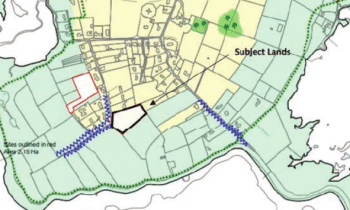
Consultants’ submission on behalf of Mary Harriet Madden replicated verbatim by three Councillors: McDonnell, McNelis and Larkin
Posted in:
by Village
Another punch-pulling book, another media disaster for Seán Quinn: truth unclear, as media continue recklessly to suggest he was torture paymaster
Posted in:
by Village
The number of planning applications does not refl ect the number of AirBnBs that require them
by Village
Charleville, County Cork, is in the Golden Vale near the border with Limerick.

by Village
Peter Keeley is a psycho killer, double agent and manipulator of the truth who perpetrated the Omagh bomb and the nutty Smithwick Tribunal. The Garda should be prosecuting him.

by Village
The forgery of a Kincora witness statement by MI5 and the RUC

by Village
When in 1988 he stopped an IRA evasion of extradition in apparent breach of Charles Haughey’s plans, what followed for prison offi cer Seán O’Brien was not a medal but dismissal,collapsed mental health, and an extraordinary succession of, ongoing, offi cially frustrated attempts to expose the truth
by Village
There has never been an end to ‘Internment by remand’ in the North
by Village
It was utterly Butterly
Posted in:
by Village
Newly revealed letter gives impetus for failed Garda probe into bribery of Moore St traders
by Village
Northern Ireland Law Society cancels conference focused on Legacy Act in protest at its dubious legality and breach of human rights norms
Posted in:
by Village
The recent Irish Planning Institute (IPI) awards for good planning were marred
by Village
The far left and far right are behaving like opposites not equivalents, as you’d expect
by Village
The background is €65bn in budget surpluses between now and 2026. However, the ESRi is forecasting negative GDP growth of 1.6% for the year and there was a shock fall in corporation tax of €1bn in August, down 23% in the third quarter of 2023. Meanwhile Sinn Féin is expecting to wrest some of the levers of budgetary power next year. Overall, it seems likely McGrath’s budget will be cautious, reducing taxes by €1.15bn including lowering the lowest Universal Social Charge rate from 2% to 1% at a cost of about €300m, and the highest rate from 4.5% to 4%, and increasing the wage at which the tax rate is 40% from €40,000 to €41,500, costing €400m. There will be spending increases of around €5.25bn, as well as a non-core package of temporary spending, mostly on Ukrainian refugees, Brexit and Covid of €4bn, and a final cost-of living package of perhaps €3bn. It is likely to provide for social welfare increases of only €12 weekly at a cost of €350m annually. McGrath is from, in his own words, a “humble“ background. His father was a labourer and he was the first of his family to go to university where he earned a first-class honours in his Commerce degree. Later he worked as an accountant at KPMG where he met his wife Sarah, also an accountant. From 1999 to now he has climbed the Fianna Fáil political ladder from Town Council to which he was elected at just 23 years of age, to County Council and then in 2007 into Leinster House as a TD for Cork South Central— a competitive constituency he shares with his older colleague and party leader Micheál Martin. He walks a difficult tightrope of simultaneous loyalty to Martin and the demands of competing with his colleague to retain the party’s second seat. In recent years he has been touted as a possible successor to Martin. McGrath is frequently described as conservative on social and economic issues. He was pro-life on the abortion issue but prefers to define himself as a “centrist” in political terms. Some newspapers over the summer headlined him as “ Mr Cautious.” This is hardly a surprise as it is the default setting for a Minister for Finance. In my interview with him, I asked McGrath about Health, indigenous industry, the public finances and coalition with Sinn Féin. Health McGrath confesses to being “brassed off“ at the seventh annual spending over-run in eight years at the HSE, this time of an extraordinary nearly €2bn out of a total budget package of€11bn: “front line workers in the health service are working in difficult circumstances. Spending over-runs are a cause of great frustration”. It is understood they have reduced the scope for new health initiatives such as extending free GP care and improving mental-health and disability services, as well of course as scandalising other more scrupulous government departnments. There have been overruns in all the country’s acute hospitals of 15-22%; inflation in medical supplies is 21%, rising to 31% in laboratory supplies. McGrath warns that this all “points to a need for reform at a whole lot of levels, not least in their systems; and there’s an urgent need for an integrated financial management system in the HSE”. He insists health executives must apply discipline to keep within their budgets. He tells me: “One of the frustrations I had when I was Minister for Public Expenditure was trying to get a handle on the underlying position within Health because you had cash-based reporting and then you had accruals-based reporting. These were very different and it wasn’t always possible to get a tight reconciliation so you could fully understand what was the underlying position. He also notes technology deficits. “I do think we have to invest in more in digitalisation and we are undoubtedly laggards in that regard in health services”. He considers that “accurate and timely reporting of data is where you start in getting a handle on expenditure patterns and plans are now in place to invest in such a system and that is an urgent reform that we need to deliver quickly”. I ask him how quickly, given that the HSE was established to bring professionalism to the provision of these services and he says “my understanding is it will take a number of years”. He thinks the new consultants’ contract will help and he notes the difficulties of Covid, the increase in acute presentations in the health system and general health-services inflation. I ask him if this means he’s saying it’s okay if the HSE overruns next year but he is firm: “No we’re certainly not saying that at all”. Tax receipts The Summer Economic Statement which set out the parameters for the budget stressed the perils of relying on the billions being thrown the exchequer’s way by a small number of giant multinationals. McGrath has spent the last year tracing out three new initiatives that will take these once-off tax receipts and use them for continued construction of public infrastructure, providing for the future pension needs of a rapidly ageing population, and paying down our massive public debt attributable to both Covid and the financial crisis that began in 2008. The fact that he can afford these prudential plans is testimony to the country’s continued success at luring foreign direct investment (FDI). “We need to ensure we’re not forced again into what happened 15 years ago, where capital expenditure was smashed by 60%. We need to invest in infrastructure through the cycle – by creating a contra-cyclical fund to smooth out the investment cycle”. These new funds are the product of the good times and McGrath seems determined to put them on a proper legislative footing so that they cannot be casually raided by future ministers when the economy takes a turn for the worse. Advancing indigenous industry McGrath is keen to recognise the end of the Foreign Direct Investment bonanza years while pointing to the threats