
Politics

Random entry RSS

  • Posted in:

    Transformative.

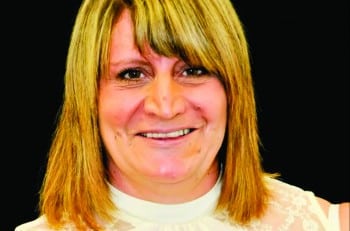
    By Vanessa Lacey The Dáil passed the Gender Recognition Act last July. This legislation allows transgender people to be legally recognised in their preferred gender. It was a joyous moment for the transgender community. It is great to see this legislation passed before the celebrations in 2016. Now the Proclamation means so much more for me. I feel cherished equally in my country as a proud Irish woman. I lived as male for over 40 years until I transitioned to my female gender eight years ago. This was very painful for all involved. However, it vastly improved my mental health and, over time, people close to me began to understand my circumstances and decision. Living within a gender that I didn’t identify with, from as far back as I remember, was extremely challenging. I experienced shame and guilt due to internalising the stigma associated with trans people. This damaged my thought processes about my identity. I thought I was disgusting and some sort of a mistake as a human. This perception was compounded by media messages that also shaped attitudes within the wider society and exacerbated the stigma. It was during the late 1990s while I was watching the news that I questioned my perceptions for the first time. The item was about a dentist from the midlands, Dr Lydia Foy, fighting for her human right to be identified by the state in the gender that she identified as – a woman. From that moment I began to change my thoughts and feelings about myself and decided to fight back. I expressed myself in my female gender, against the odds. I volunteered with a LGBT group in Waterford. When I began to work with TENI in March 2008, I was ready to take on the spirit of Dr Foy to build an awareness of and capacity for the transgender community throughout Ireland. Over the past six years I feel we have achieved this to some extent, but there is still lots to do. Legal recognition means we are finally being recognised as human beings by the Irish state in the gender that we identify. This is empowering. The model of self-declaration in the legislation means that we do not have to ask a psychiatrist, psychologist or endocrinologist to decide on our gender identity. This provides us with the licence to be human. Legal recognition means that every time I have to produce documentation to prove who I am, I have the right identification that shows me as I am, not who I was. Now I can avoid that embarrassment for both myself and the civil servants involved. I don’t have to be anxious. How good that feels! Most importantly I have documentation that reflects my true gender. It is all very positive but what about the families, especially the families of children who are under 16? The current legislation does not meaningfully include young trans people, and excludes anyone under 16. However, transgender children do exist and we are seeing an increase in their numbers every year. These children are very vulnerable. In many cases they have been trying to explain to their parents that there is something different about them for many years. Parents often feel confused, scared and angry when faced with their children’s gender identity and should seek help. These families are faced with the decision to allow their child to dress and express themselves in the gender with which they identify at home so as to reduce anxiety for all involved, and, in some cases, to allow their child to transition in school, both national and secondary. This is a situation that causes sleepless nights and angst-ridden days. Many parents experience loss and grief but still, through the love for their child, they advocate on their behalf. Unfortunately those wonderfully courageous parents, siblings and young transgender children have been ignored by our legislators for now. They are not protected in the legislation and this is sad. As an optimist I am trusting the legislators will readdress the issue in two years time as they have promised us. I hope this will top off very progressive and ground breaking legislation. In the eight years since I began my journey to be myself I have faced many challenges. Gender recognition is an important step but we need this to cascade into a holistic form of care for our community. Vanessa Lacey is the Health and Education Manager at Transgender Equality Network Ireland (TENI)

    Loading

    Read more

  • Posted in:

    Deinstitutionalise in favour of community care

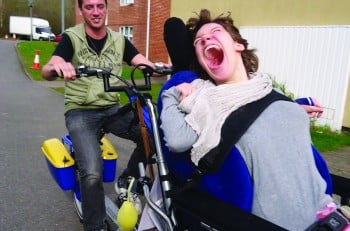
    By Niall Crowley There is a disturbing silence about people with disabilities in institutions. HIQA has kept plugging away with its inspections and reports that document deplorable and unacceptable conditions. But that seemed to be it, until the HSE finally called for resources to do what is needed – deinstitutionalise. The HSE has just sent a costed submission to Government to accelerate implementation of the 2011 Congregated Setting report which dealt with residential settings where people with disabilities live in the presence of ten or more other people. It identified that some €250m is needed to deinstitutionalise, and to offer a community-based model of care in place of these institutions. The media have been largely silent on the issue. Politics sees no votes in it. The Irish Human Rights and Equality Commission has yet to make a move. The National Disability Authority seems to be in hiding. The NGO sector, even those advocating for human rights, appears to have left the issue for Inclusion Ireland to take up. When it comes to human rights is it just the rights of some humans that matter? Then, out of the blue, the HSE puts it up to Government. Why has it taken so long? The Congregated Settings Report demanded that people with disabilities should be able to: “live full, inclusive lives at the heart of family, community and society and they should be able to exercise meaningful choice, equal to that of other citizens, when choosing where and with whom they will live”. The report was clear that “congregated provision is in breach of Ireland’s obligations under UN Conventions”. At the time of the 2011 report, 4,099 people with disabilities lived in these congregated settings. One thousand young people with disabilities are actually living in nursing homes. The rate at which people are moving out of these institutions has been slow. There is an annual target to move 150 people. Even this low target is not met, with about 100 people moving each year. The UN Convention on the Rights of all Persons with Disabilities commits State Parties to “recognise the equal right of all persons with disabilities to live in the community, with choices equal to others” and requires that they “shall take effective and appropriate measures to facilitate full enjoyment by persons with disabilities of this right”. Ireland played a central role in the adoption of this Convention, but we have yet to ratify it and to implement this requirement to deinsitutionalise. The Congregated Settings report recommended that the Department of Health ensure that all people with disabilities living in congregated settings move to community settings within seven years. It found that these people “live isolated lives apart from any community and from families; many experience institutional living conditions where they lack basic privacy and dignity”. Congregated settings are a violation of human rights in and of themselves. They also create the conditions for further human rights abuses as can be seen from the hundreds of HIQA reports that have identified these centres as not being compliant with requisite standards. We will now get to see what place human rights really have in the priorities of Government. Will they make this €250m available when the national budget for disability has been reduced by €160m since 2008? They have the money. Will they put it into tax relief or into fulfilling people’s human rights? The next budget will be a true measure of this Government’s respect for human rights. The HSE proposal starts with 237 people with disabilities moving out of eleven large institutional settings with significant HIQA compliance issues. This would cost €22.4m. The next steps would involve a further 755 people with disabilities moving, at a cost of a further €67m. The final step would cover moving 1,863 people with disabilities from fifty-five settings at a cost, of about €163m. This, it should be noted, does not address waiting lists for those in need of care support. Deinstitutionalisation involves more than closing institutions, it also involves developing high-quality and appropriate community services. Until now deinstitutionalisation has used community group housing. This was not recommended by the Congregated Settings report with its emphasis on personalised accommodation and support arrangements. There is a risk that these community settings will just reproduce damaging institutional cultures. This raises the spectre of the human rights violations evident in congregated settings merely being replicated in community settings. The HSE has made an important intervention. The Government is challenged to respond. Both must then ensure people with disabilities choose, receive, and direct the services and supports they need, participate in their family and community, and have the opportunity to maximise their full potential in accordance with the recommendations of the Congregated Setting report. •

    Loading

    Read more

  • Posted in:

    Septic: Tanks

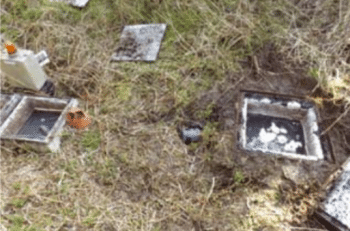
    EPA’s ineffective National Inspection Plan gave only half of the systems inspected in the first year a pass grade.

    Loading

    Read more

  • Posted in:

    Freedom politics

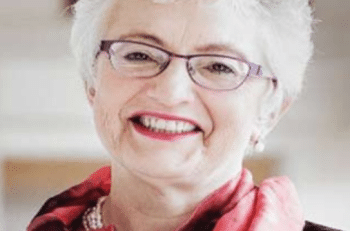
    As an Independent I can use creativity and passion to get what people want on issues like Marriage Equality. By Senator Katherine Zappone

    Loading

    Read more